


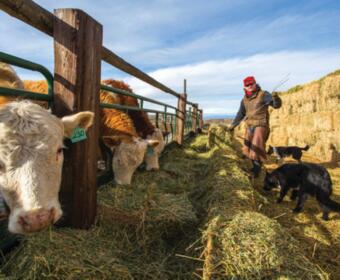
Gov. Larry Rhoden has signed a bill designed to make it easier for South Dakotans to buy certain meat cuts directly from producers — but the change would only take effect if Congress first amends federal law. The measure was sponsored by Rep. John Shubeck of Beresford.

Drought conditions are worsening across South Dakota, with moderate drought now showing up in parts of the southeast and southwest, according to the latest U.S. Drought Monitor update. About 29% of the state is rated abnormally dry, with 18.6% in moderate drought.
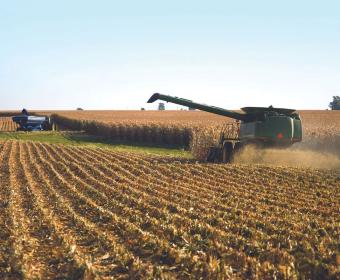
The 40th Annual SD Corn Conference is set for Jan. 17, 2026, at the Sioux Falls Convention Center with free daytime education sessions and a ticketed evening celebration. South Dakota Corn Growers Association leaders say the event will also mark 40 years for both SDCGA and the South Dakota Corn Utilization Council.
A quieter start to the 2025-26 winter is showing up on the latest U.S. Drought Monitor, with about 38% of South Dakota now rated at least abnormally dry. Moderate drought remains limited to the state’s far southeast.

New federally funded research suggests soil management choices could help South Dakota hemp farmers keep crops within legal THC limits while improving crop value.

A 55-year-old Lake Norden man died Saturday after being pinned by a tractor on a Hamlin County farm, according to the sheriff’s office.

The High Plains Soybean Processing plant near Mitchell is ramping up production, boosted by a $5.7 million low-interest state loan to expand rail capacity. The facility supports about 100 local jobs and brings added value and revenue to South Dakota soybean producers.
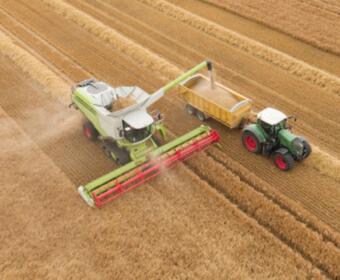
Nate Franzen, President of Ag Banking at First Dakota National Bank, noted that much of the region’s soybeans are shipped west by rail to China, making the Dakotas especially sensitive to international demand.
New data from the Environmental Working Group show several Davison County operations among South Dakota’s highest recipients of federal farm subsidies over the past two decades.
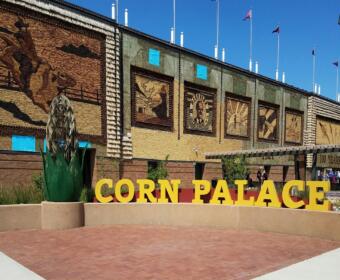
Mitchell’s world-famous Corn Palace isn’t just a quirky landmark — it’s a living tribute to the farmers and families who built the city’s agricultural legacy. Learn how this iconic facade continues to honor South Dakota’s heartland roots.