



MITCHELL, SD (Mitchell Now) — With summer heating up, those enjoying the outdoors will have to contend with pests again like mosquitoes and ticks.
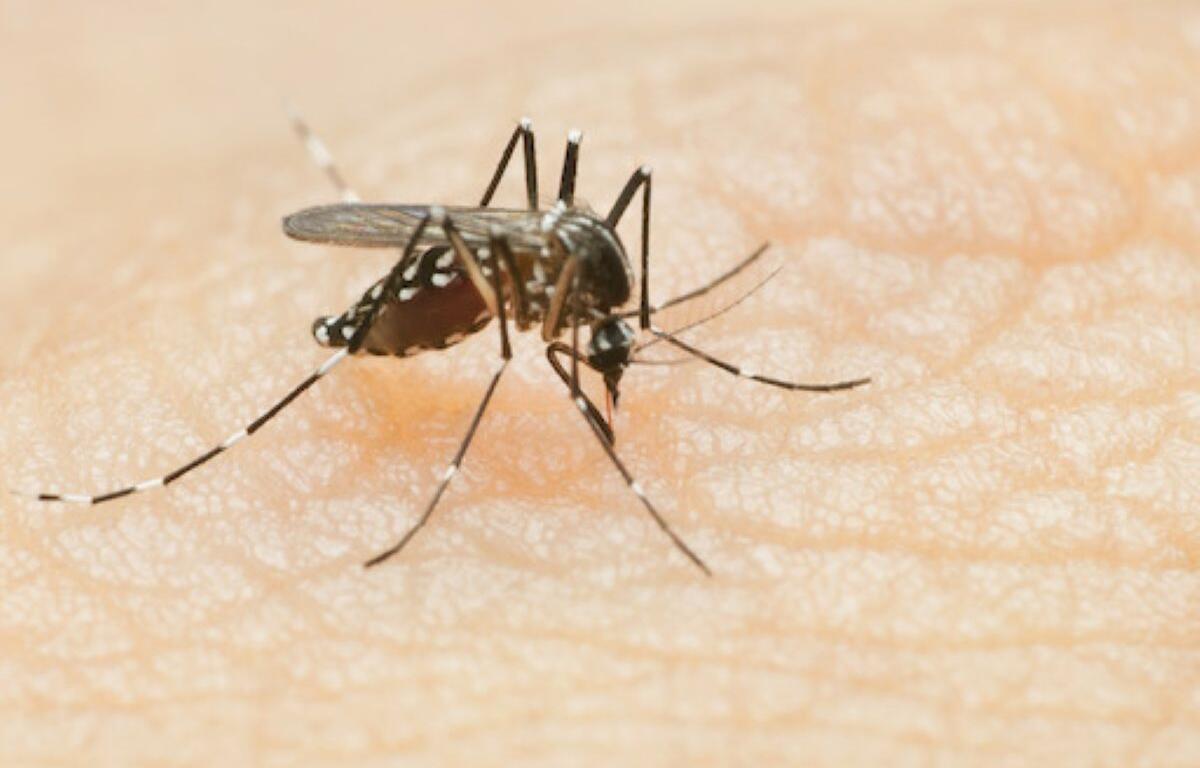
The state epidemiologist for South Dakota, Josh Clayton, tells Mitchell Now we are just beginning to get to the time of the year where the mosquitoes that carry West Nile virus become prevalent. The culex tarsalis species likes it hot and dry. Those being bitten in the spring when snow runoff tends to lead to pooling water are not associated with the potentially fatal disease. While itching may be an inconvenience, July and August are when mosquito bites can be deadly in South Dakota.
Clayton says West Nile virus tends to have two different kinds of symptoms. The first manifests itself as a fever. Other symptoms with this kind of infection are flu-like; headache, body ache, joint pain, vomiting, diarrhea, or rash. Roughly one-in-150 people suffer an attack on their neurological system. Extreme neck stiffness can eventually give way to a stupor, and even a fatal coma.
As is the case with most diseases, the majority of people who get bit will likely have no symptoms at all, but there isn’t a great way to know who falls into this category. Clayton says to be careful from dusk to dawn with mosquitoes. He recommends wearing insect repellant with DEET to keep them at bay. The same advice goes for ticks, which are also active in the state.
Black-legged ticks, sometimes known as deer ticks, have been surveyed in McCook County. They are the primary vector for Lyme Disease. The illness can lead to a high fever and chills, a bulls-eye pattern rash, fatigue, joint pain, Bell’s palsy, an irregular heartbeat, and vision changes. Symptoms typically take about a month to develop post-bite.
Clayton points out a second tick-borne threat is active in the area. The lone star tick, which has a singular white star pattern on its back, is a known causer of alpha-gal syndrome, which creates an allergy to red meat in some of its victims. The lone star tick has been documented in Davison County.
Most mammals have a sugar molecule in their DNA called alpha-gal. Lone star ticks transmit that molecule into the bloodstream and can induce a person’s immune system to begin producing antibodies to it. When that happens, the person will no longer be able to handle red meat. Birds and fish do not have the alpha-gal molecule and are still able to be eaten.
Clayton says to avoid ticks, it is best to wear long sleeves and pants when out hiking, particularly in tall grass. He also reminds people that it takes 24 hours for a tick to lock in its bite, meaning that doing the laundry and taking a shower after a day out is a good way to remove ticks from clothing or skin before any diseases can be spread.